
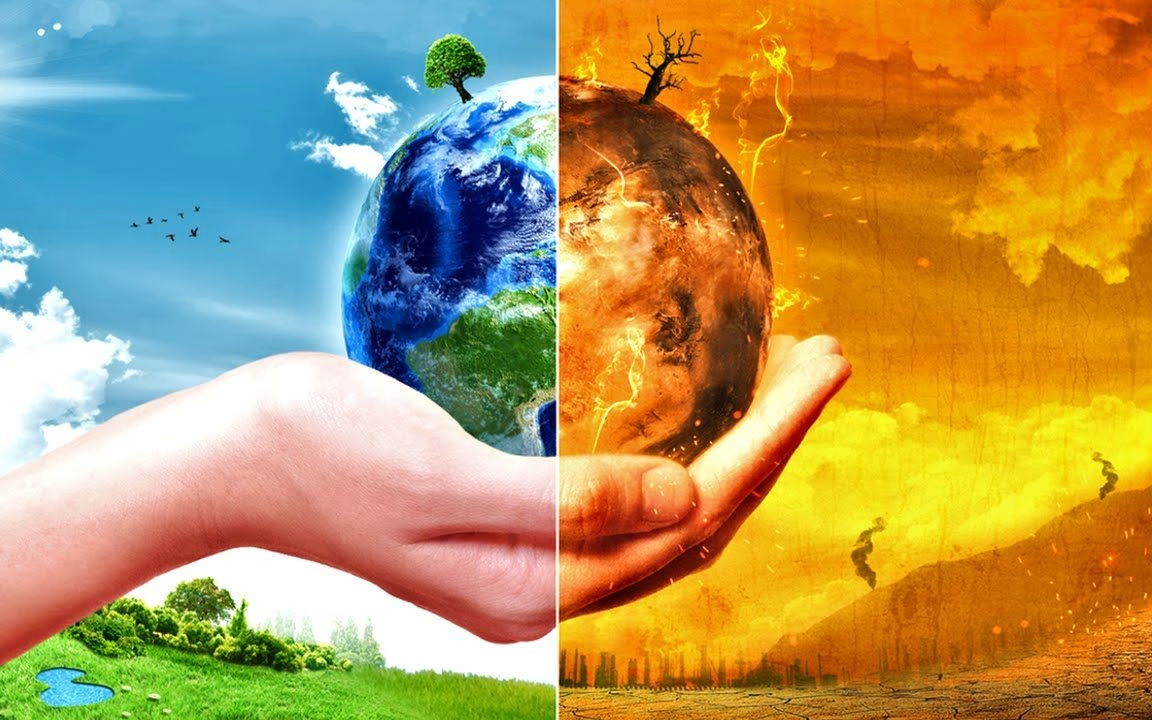
Climate change affects the environment by changing the temperature, rainfall, oceans, ice, and weather patterns that ecosystems depend on. These changes can disrupt habitats, shift where species can live, increase pressure on freshwater resources, damage forests and coral reefs, and contribute to biodiversity loss. (How Does Climate Change Affect the Environment?)
The important point is that these effects do not happen in isolation. A warmer climate can change rainfall, which affects water availability and plants; changes in plants can then affect insects and animals that depend on them. Understanding these connections makes it easier to see why climate change is an environmental issue rather than simply a problem of rising temperatures.
What Is Climate Change?
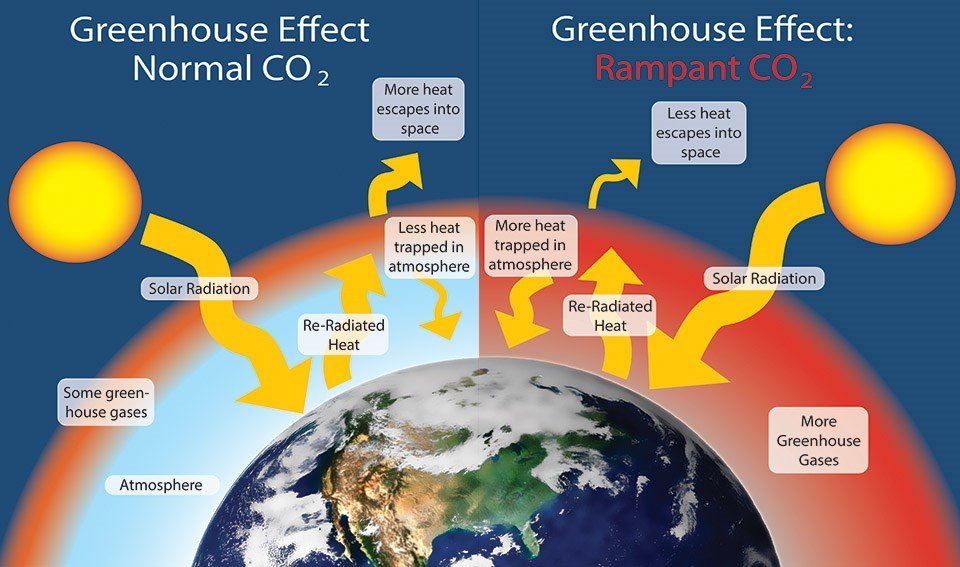
Climate change refers to long-term changes in Earth’s climate, including changes in temperature, precipitation, weather patterns, oceans, and other climate conditions.
Global warming is one part of climate change. It describes the long-term rise in Earth’s average surface temperature, largely caused by human activities that increase heat-trapping greenhouse gases in the atmosphere. Climate change describes the broader set of changes that occur as the climate system responds. (NASA Science)
The greenhouse effect itself is natural and necessary for life. The problem is that human activities such as burning fossil fuels, clearing forests, agriculture, and some industrial processes have increased concentrations of greenhouse gases, strengthening heat retention in the atmosphere. (How Does Climate Change Affect the Environment?)
How Does Climate Change Affect the Environment?
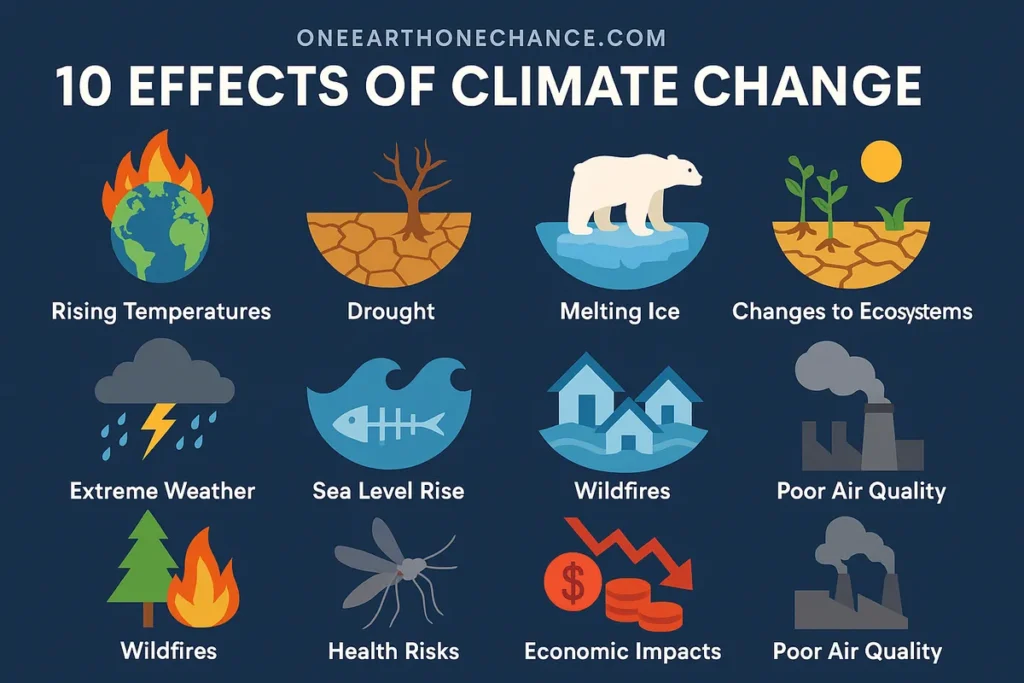
Climate change affects virtually every major natural system. The effects are particularly visible in ecosystems, wildlife, oceans, forests, freshwater systems, glaciers, and coastal environments.
1. Rising Temperatures Change Natural Ecosystems
Temperature is one of the basic conditions that determines where plants and animals can survive.
As temperatures rise, some species may move toward cooler areas, higher elevations, or higher latitudes. Others may alter their behavior or seasonal activities. Species that cannot adapt or relocate quickly enough can face increasing pressure. (USGS)
This can change the structure of entire ecosystems.
For example, if a plant begins flowering earlier because of warmer spring temperatures, insects that depend on that plant may also need to adjust their life cycles. If the timing does not match, the relationship between the species can be disrupted.
That is one reason climate change can create effects that extend far beyond temperature itself.
2. Climate Change Contributes to Biodiversity Loss
Biodiversity means the variety of plants, animals, fungi, microorganisms, and ecosystems on Earth.
Climate change adds another layer of pressure to species already affected by habitat destruction, pollution, invasive species, and overexploitation. Changes in temperature, rainfall, extreme events, and habitat conditions can alter species populations and interactions. (How Does Climate Change Affect the Environment?)
Biodiversity matters because ecosystems provide services that people depend on, including pollination, soil formation, water regulation, carbon storage, and food production.
When species disappear or ecosystems become degraded, these natural functions can also weaken.
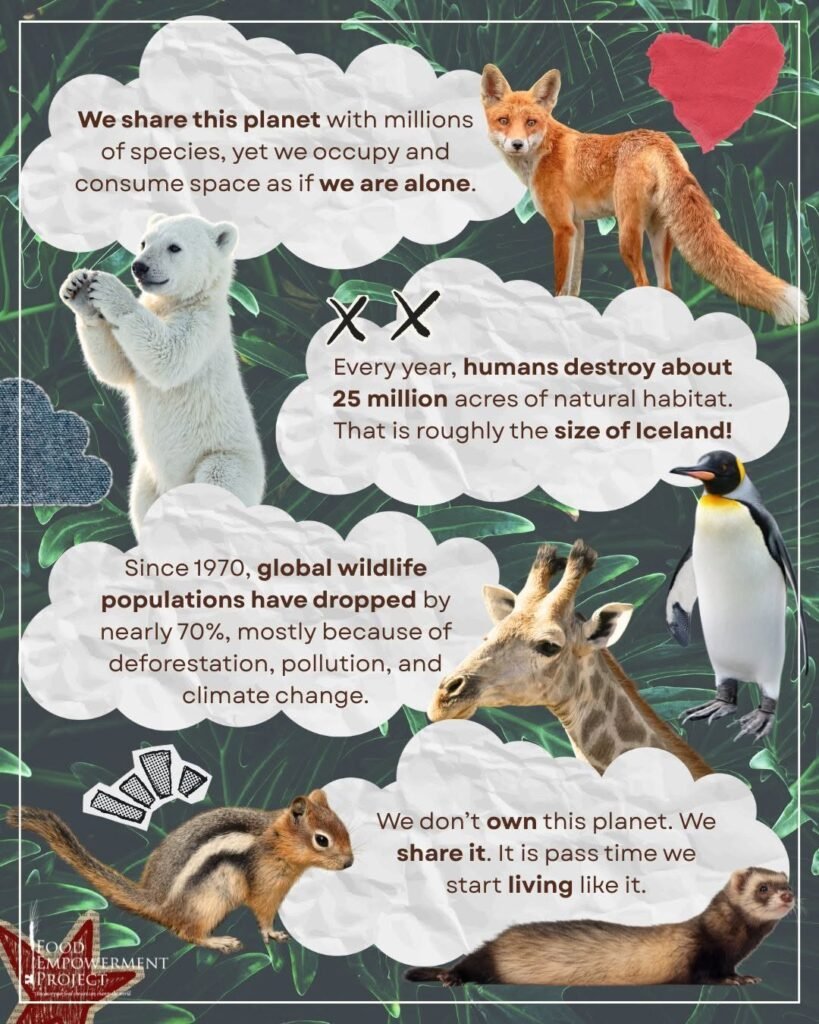
3. Wildlife and Animal Habitats Are Changing
How does climate change affect wildlife? It can change where animals live, what they eat, when they reproduce, and how they respond to seasonal conditions.
Some species are moving into new geographic areas as temperatures change. Others may lose suitable habitat altogether. Wildlife can also be affected when climate change alters food availability or the timing of important biological events. (World Wildlife Fund)
Sea turtles provide a useful example. The temperature of their nesting environment influences the sex of hatchlings, meaning changes in beach temperatures can affect future populations. (World Wildlife Fund)
The consequences can become more complicated when natural habitats are fragmented by roads, cities, farms, or other development. A species may need to move to a cooler location but have nowhere safe to go.
4. Oceans Are Getting Warmer and More Acidic
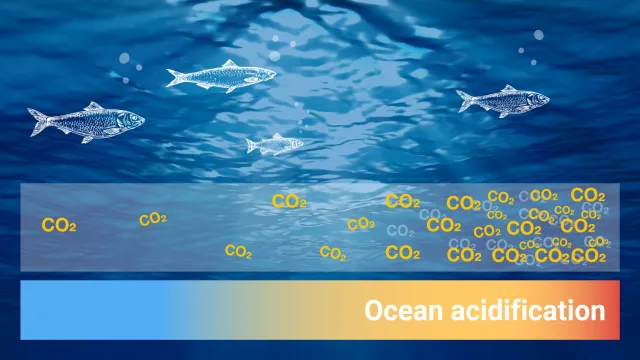
The ocean plays a major role in Earth’s climate system. It absorbs much of the excess heat associated with greenhouse gas emissions and also takes up carbon dioxide from the atmosphere. (United Nations)
As oceans warm, marine species can experience changes in habitat, food availability, migration, and reproduction.
Carbon dioxide absorbed by seawater also contributes to ocean acidification. This changes ocean chemistry and can make conditions more difficult for some organisms that build shells or skeletons from calcium carbonate. (European Environment Agency)
These changes can spread through marine food webs. Damage to one species or habitat can affect other organisms that depend on it.
5. Coral Reefs Face Increasing Stress
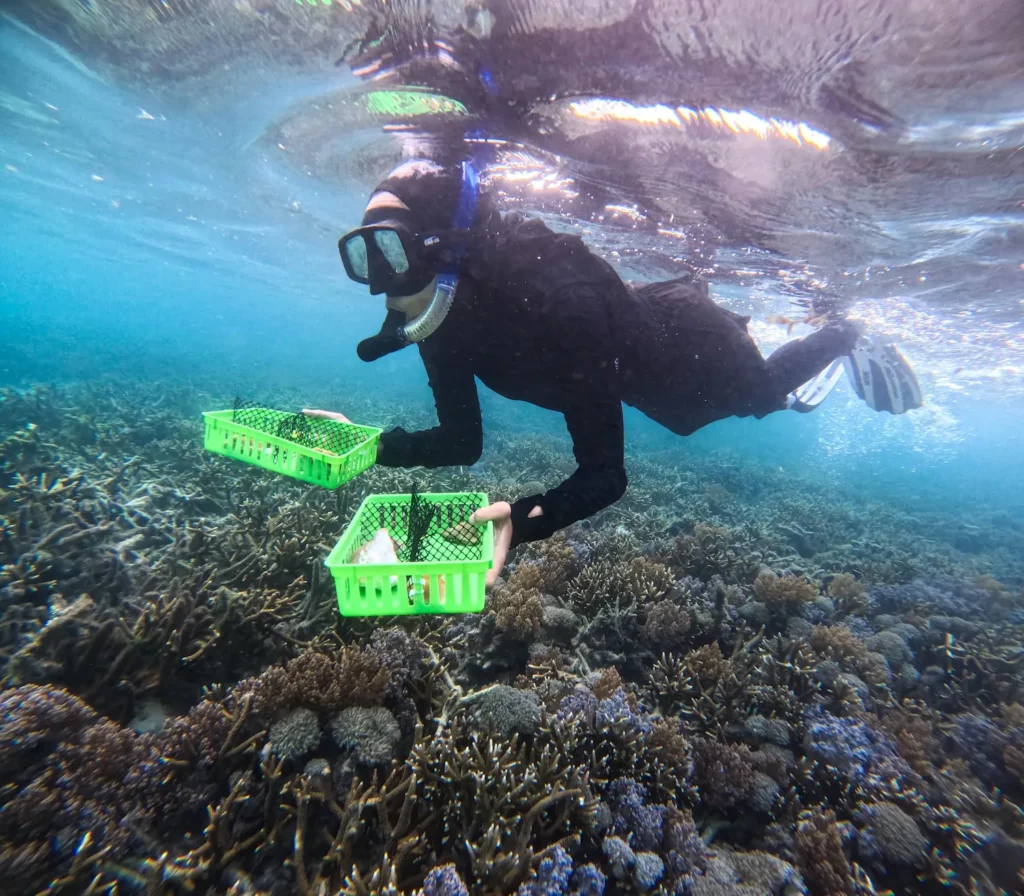
Coral reefs are particularly sensitive to changes in ocean temperature.
When corals experience unusually warm water for long enough, they can become stressed and expel the microscopic algae that provide much of their energy. This process is known as coral bleaching.
Severe or prolonged bleaching can cause coral mortality and damage reef ecosystems. The consequences extend beyond coral itself because reefs provide habitat for numerous marine species.
The UN notes that continued ocean warming poses serious risks to coral reef ecosystems. (How Does Climate Change Affect the Environment?)
6. Glaciers and Ice Are Melting
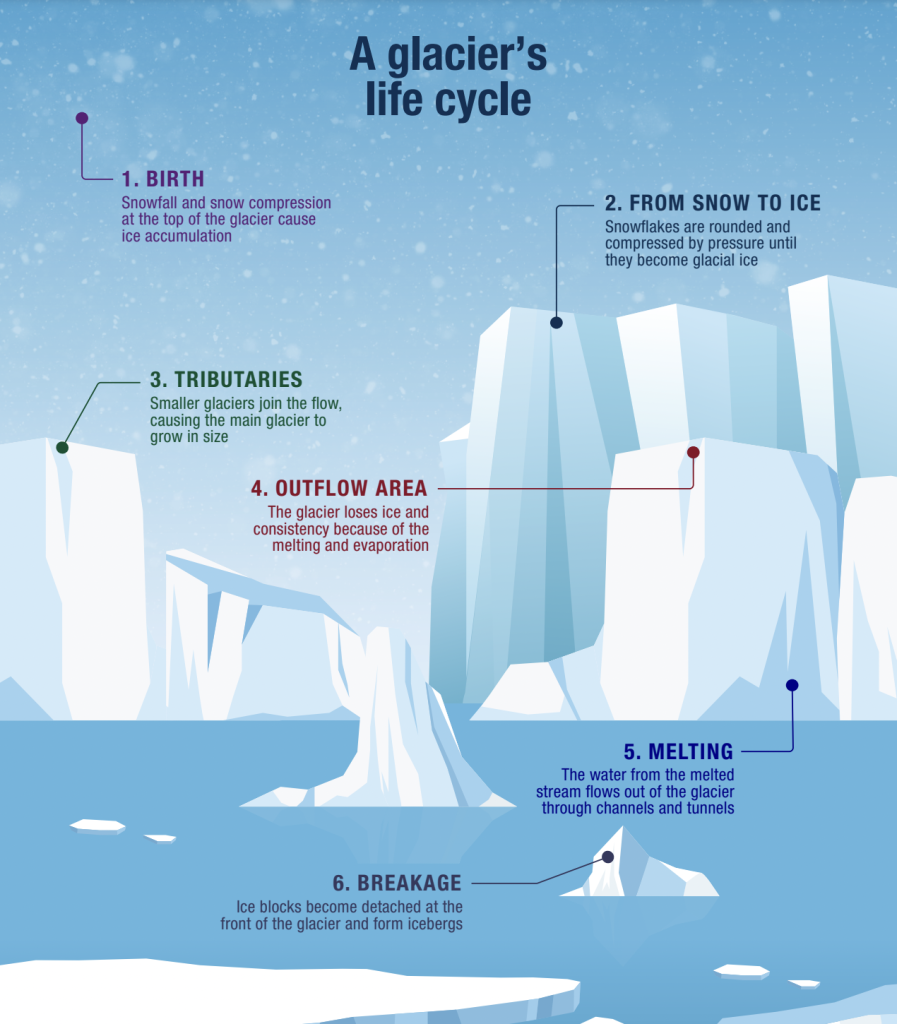
Rising temperatures are contributing to the loss of glaciers and ice in many parts of the world.
This matters for more than the appearance of mountain landscapes. Glaciers can act as important freshwater stores, releasing water into rivers and streams as they melt.
Changes in glacier melt can therefore affect downstream ecosystems and communities that rely on seasonal water supplies.
Melting land ice also contributes to sea-level rise, creating another connection between warming temperatures and coastal environmental change. (Climate Action)
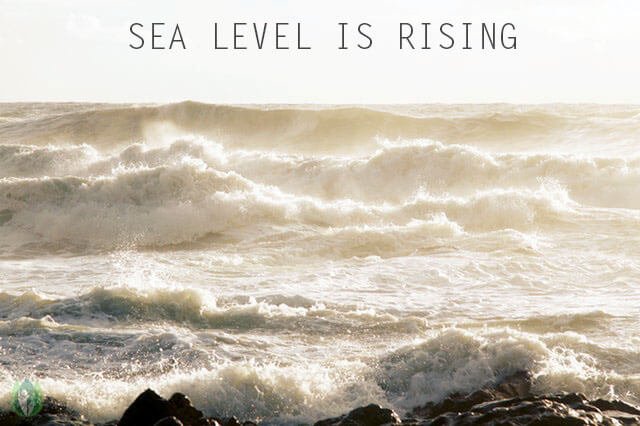
7. Sea Levels Are Rising
Sea-level rise is another major environmental consequence of climate change.
Warming causes seawater to expand, while melting land-based ice adds additional water to the ocean. Rising seas can increase coastal flooding, erosion, saltwater intrusion, and pressure on coastal ecosystems. (How Does Climate Change Affect the Environment?)
Wetlands, mangroves, beaches, and other coastal habitats can be particularly vulnerable.
Where natural ecosystems have enough space to move inland, they may sometimes adapt by shifting their location. But roads, buildings, and other infrastructure can prevent this movement.
8. Climate Change Alters Freshwater Resources
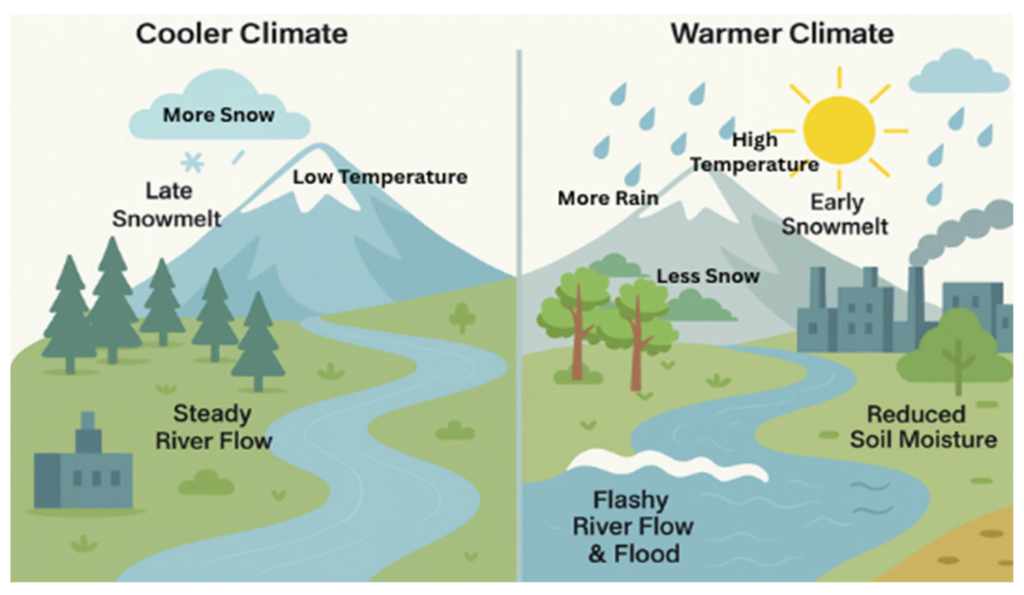
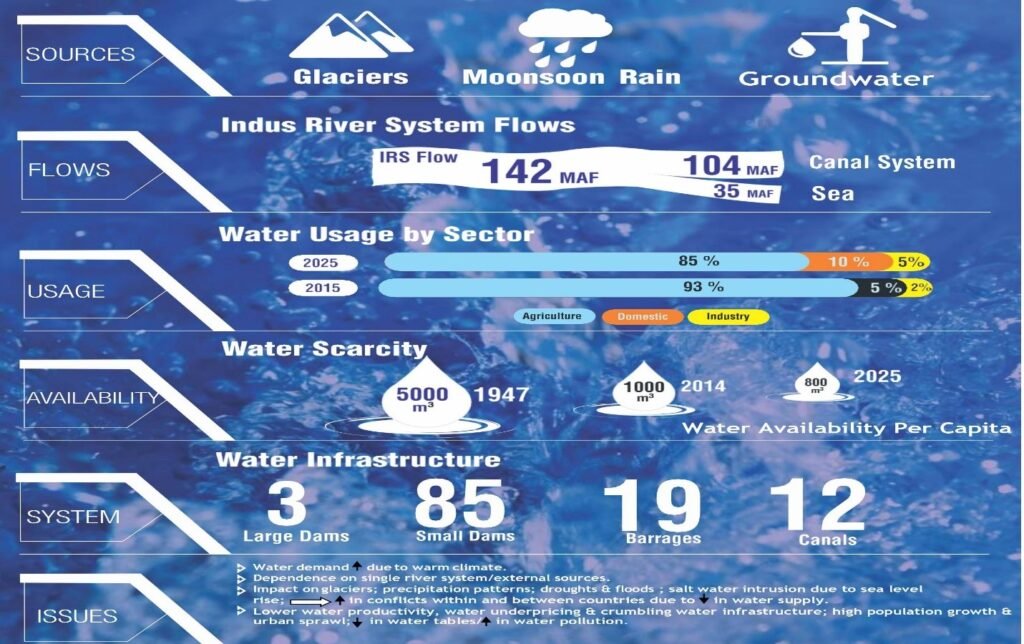
Freshwater ecosystems are highly sensitive to changes in temperature and precipitation.
Climate change can alter rainfall patterns, snowmelt, evaporation, drought conditions, and river flows. Some regions may face greater water stress, while others may experience heavier rainfall and flooding. (How Does Climate Change Affect the Environment?)
This affects both people and wildlife.
Changes in rivers, lakes, wetlands, and groundwater can influence aquatic species, vegetation, agriculture, and drinking-water supplies.
9. Forests Are Under Greater Pressure
Forests are important carbon stores and provide habitat for a large variety of species.
Climate change can place forests under stress through higher temperatures, drought, changing rainfall, pests, and conditions that increase wildfire risk. Extreme events can cause particularly rapid damage.
There is also an important feedback: damaged forests may store less carbon, while deforestation can release stored carbon into the atmosphere.
Protecting existing forests is therefore useful for both biodiversity conservation and climate action.
10. Agriculture and Soil Are Affected
Climate change can influence agriculture through changes in temperature, rainfall, drought, flooding, pests, and growing seasons.
The effects are not identical everywhere. Some regions may temporarily experience conditions that benefit particular crops, while others may face heat, water shortages, or other stresses that reduce productivity.
Healthy soils can improve resilience because they help store water, support plant growth, and maintain ecosystem functions.
Sustainable agricultural practices therefore have a role in both environmental protection and adaptation.
11. Extreme Weather Can Damage Ecosystems
Climate change does not mean that every storm, flood, drought, or wildfire is caused entirely by climate change. Weather events have many natural and regional influences.
However, a changing climate can alter the likelihood or intensity of some extreme events. NASA and other scientific agencies identify changes in heat, precipitation, drought, floods, wildfires, and other climate indicators as important parts of observed climate change. (NASA Science)
Repeated extreme events can make recovery harder for ecosystems.
A forest damaged by drought and wildfire, for example, may have less time to recover before another period of environmental stress occurs.
Why Are These Environmental Effects Connected?
This is perhaps the most important part of understanding climate change.
The environment is a network rather than a collection of separate systems.
Consider a simple chain:
Higher temperatures → changing rainfall → water stress → changes in vegetation → less food for some species → wildlife population changes.
The same principle works in oceans:
Ocean warming → coral stress → reef degradation → habitat loss → changes in marine species and food webs.
USGS describes ecosystems as interconnected systems in which plants, animals, microorganisms, water, climate, and other environmental components depend on one another. (How Does Climate Change Affect the Environment?)
That interconnectedness explains why a change in one part of the climate system can create consequences far away.
Can the Environmental Effects of Climate Change Be Reduced?
Yes. The effects cannot all be avoided, especially because some climate changes are already occurring, but the scale of future damage can be influenced by decisions made today.
Reduce Greenhouse Gas Emissions
Reducing emissions is the most important way to limit additional warming.
This includes expanding low-carbon energy, improving energy efficiency, reducing unnecessary fossil-fuel use, and lowering emissions from transportation, industry, buildings, and agriculture.
Protect Natural Ecosystems
Healthy ecosystems can provide important climate and environmental benefits.
Forests, wetlands, mangroves, grasslands, and marine ecosystems can store carbon, support biodiversity, regulate water, and provide protection against some environmental hazards.
Restore Damaged Habitats
Conservation is not only about protecting what remains. Restoring degraded forests, wetlands, rivers, and coastal ecosystems can help rebuild ecological functions.
Improve Climate Adaptation
Some environmental changes are unavoidable, so adaptation is also necessary.
Examples include protecting water supplies, restoring wetlands, improving wildfire management, conserving wildlife corridors, and planning coastal development with future sea-level rise in mind.
The strongest approach combines emissions reduction, ecosystem protection, restoration, and adaptation rather than relying on a single solution.
What Can Individuals Do to Help?
Individual choices cannot solve climate change alone, but they can contribute to broader change.
Practical steps include:
- Reduce unnecessary energy consumption.
- Use energy-efficient appliances and lighting.
- Walk, cycle, carpool, or use public transportation when practical.
- Reduce food and household waste.
- Reuse and repair products where possible.
- Support habitat and biodiversity conservation.
- Plant and protect appropriate native vegetation.
- Learn about local climate risks and conservation efforts.
- Support policies and organizations working on credible climate solutions.
The scale of climate change means individual action works best alongside changes in energy systems, transportation, agriculture, industry, and environmental policy.
Frequently Asked Questions
How does climate change affect the environment?
Climate change affects the environment by changing temperatures, rainfall, oceans, ice, and weather patterns. These changes can disrupt ecosystems, alter wildlife habitats, reduce biodiversity, affect freshwater resources, damage forests and coral reefs, and contribute to sea-level rise. (Climate Action)
How does climate change affect animals?
Climate change can alter animal habitats, food supplies, migration patterns, breeding seasons, and access to water. Some species can adapt or move, while others may struggle when environmental conditions change faster than they can respond. (USGS)
How does climate change affect plants?
Changes in temperature, rainfall, seasons, drought, and extreme weather can affect plant growth and reproduction. Climate shifts can also change where particular plant species can survive, which can alter entire ecosystems.
How does climate change affect the ocean?
Climate change warms the ocean and contributes to sea-level rise and ocean acidification. These changes can affect marine biodiversity, coral reefs, coastal habitats, fisheries, and marine food webs. (United Nations)
Does climate change cause extreme weather?
Climate change does not independently cause every extreme weather event. However, human-caused warming changes the conditions in which many weather events occur and can increase the likelihood or intensity of certain extremes, including heatwaves and some heavy precipitation events. (US EPA)
How does climate change affect biodiversity?
Climate change can alter habitats, species ranges, seasonal behavior, food webs, and ecosystem conditions. It can also add pressure to species already threatened by habitat loss, pollution, invasive species, and other environmental stresses. (USGS)
Can we reduce the environmental impact of climate change?
Yes. Reducing greenhouse gas emissions can limit additional warming, while protecting and restoring ecosystems can improve environmental resilience. Adaptation measures can also help ecosystems and communities manage changes that cannot be avoided.
Why is climate change an environmental issue?
Climate change changes the physical conditions that support life. Because temperature, rainfall, water, oceans, ice, and seasons influence ecosystems, changes in the climate can affect plants, animals, habitats, biodiversity, and natural resources.
Conclusion
The answer to “How Does Climate Change Affect the Environment?” goes far beyond rising temperatures.
Climate change is reshaping the conditions in which ecosystems operate. It affects wildlife habitats, biodiversity, forests, freshwater systems, oceans, glaciers, coral reefs, agriculture, and coastal environments. More importantly, these systems are connected, so damage in one area can create consequences elsewhere.
The environmental outcome is not predetermined. Reducing greenhouse gas emissions can limit future warming, while protecting forests, restoring degraded ecosystems, conserving biodiversity, and preparing for unavoidable changes can make natural systems more resilient.
The most useful way to think about climate change is therefore not as one environmental problem, but as a chain of interconnected changes affecting the systems that support life on Earth.
