
Northern Pakistan is best approached as a region, not a single destination. The mountains stretch across a huge area, and the experience changes from the green valleys of Swat and Kaghan to the stark Karakoram landscapes of Hunza and Skardu.
For a first trip, Hunza and Skardu are the strongest starting points, while destinations such as Fairy Meadows, Naran, Astore, Chitral and the Kalash Valleys make sense if you have additional time. A realistic first visit is around 7–10 days for one main region and 10–14 days if you want to combine Hunza and Skardu. Recent travel guides and firsthand traveler reports also point to the same practical lesson: don’t underestimate distances simply because two destinations look close on a map. (Northern Pakistan Travel Guide)
This Northern Pakistan travel guide covers the best places to visit, the best seasons, transportation, suggested itineraries, food, accommodation, safety and the mistakes that can turn a beautiful mountain trip into an exhausting one.
Why Should You Visit Northern Pakistan?
The obvious answer is the scenery. But the mountains are only part of the story.
Northern Pakistan brings together the Karakoram, Himalaya and Hindu Kush mountain systems, along with glaciers, alpine lakes, high-altitude plains, rivers and historic settlements. Gilgit-Baltistan alone contains ten districts with distinct landscapes and cultural traditions. (Northern Pakistan Travel Guide)
You can spend one morning walking through a historic mountain village and the afternoon beside a turquoise lake. In another part of the region, you might find yourself driving through a barren mountain landscape that suddenly opens into an enormous green valley.
The cultural side is equally rewarding. Hunza, Baltistan, Chitral and the Kalash Valleys all have their own traditions, foods, languages and architectural styles. Northern Pakistan Travel Guide
The best trips therefore leave some room for wandering. Don’t make every hour about reaching another famous viewpoint.
Best Places to Visit in Northern Pakistan
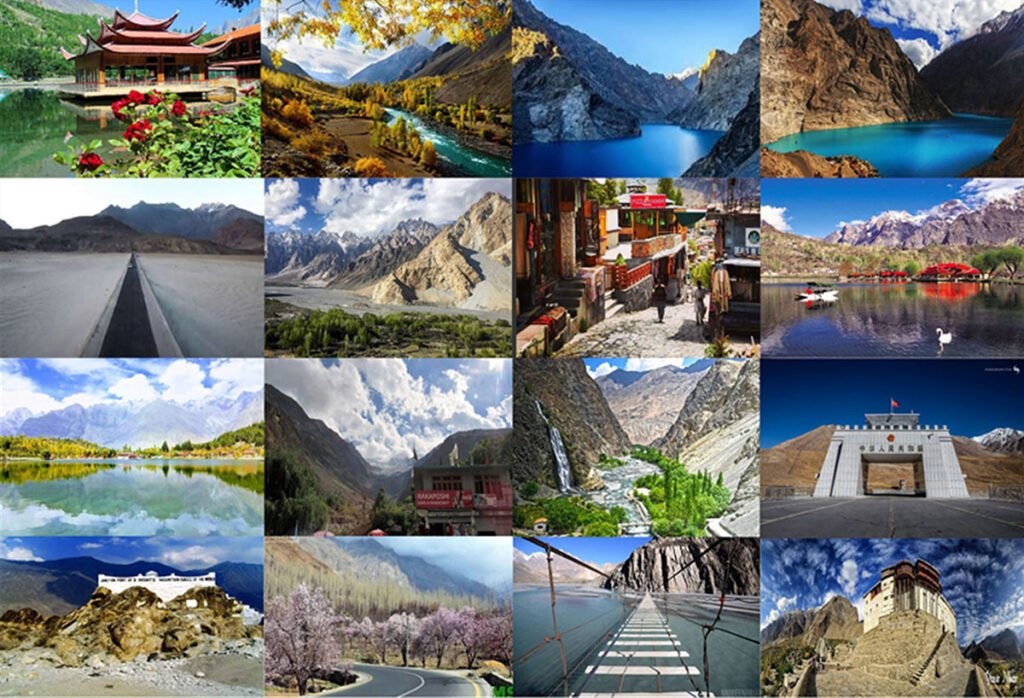
1. Hunza Valley
If you’re visiting Northern Pakistan for the first time, Hunza is probably the easiest place to start.Northern Pakistan Travel Guide
Karimabad makes a convenient base for exploring the valley, with historic Baltit Fort, Altit Fort, mountain viewpoints and surrounding villages. The scenery combines steep peaks with cultivated terraces and fruit orchards.
Further north, the landscape becomes more dramatic around Passu and Gojal. The distinctive Passu Cones are among the region’s most recognizable mountain formations.
Then there’s Attabad Lake, whose brilliant blue water contrasts sharply with the surrounding rocky mountains. The lake was formed after a major landslide in 2010, and it has since become one of Gilgit-Baltistan’s major visitor attractions. Boating and other recreational activities are available when conditions permit. (Visit Gilgit Baltistan) Northern Pakistan Travel Guide
How long: 2–4 days.
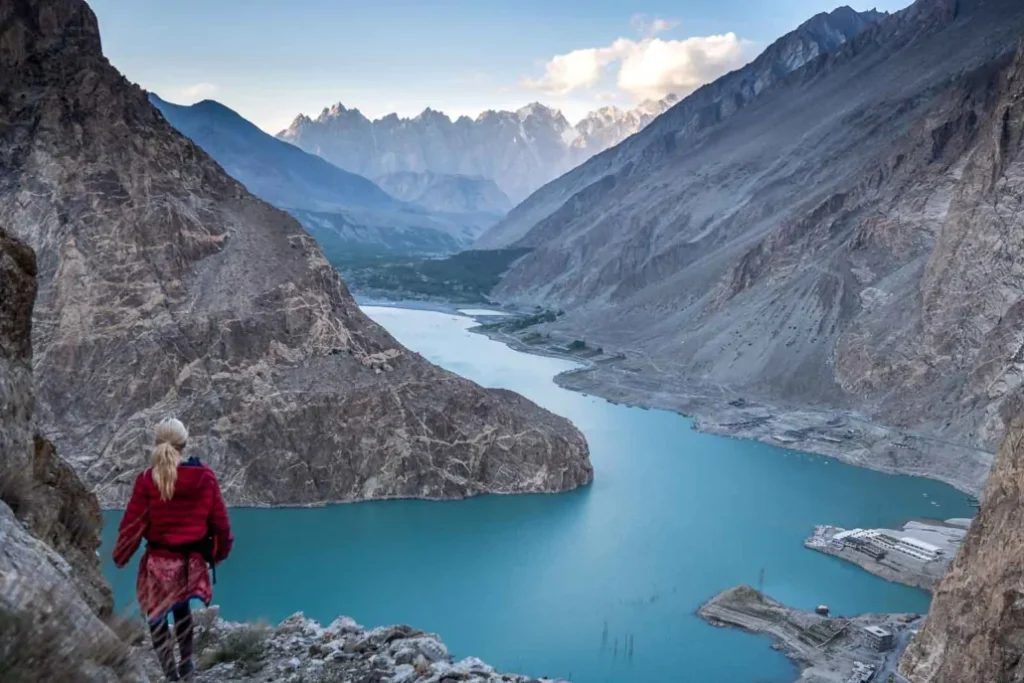
Best for: scenery, photography, history, village walks and a relatively comfortable first introduction to the mountains.Northern Pakistan Travel Guide
2. Skardu
Skardu feels different from Hunza.
Instead of primarily green valleys and terraced settlements, the Skardu area offers enormous rock faces, high-altitude deserts, lakes and access to some of the world’s most famous trekking territory.
Upper Kachura Lake, Lower Kachura Lake, Shigar, Shangrila,Northern Pakistan Travel Guide and the surrounding valleys are popular stops. For travelers with enough time and suitable conditions, Deosai National Park is another major attraction.
The Government of Gilgit-Baltistan describes Deosai as a high-altitude alpine plain at an average elevation of around 4,114 metres. (Visit Gilgit Baltistan)
Skardu is also associated with the K2 region and major mountaineering expeditions, although reaching trekking and expedition areas requires considerably more planning than visiting the town and its nearby attractions.
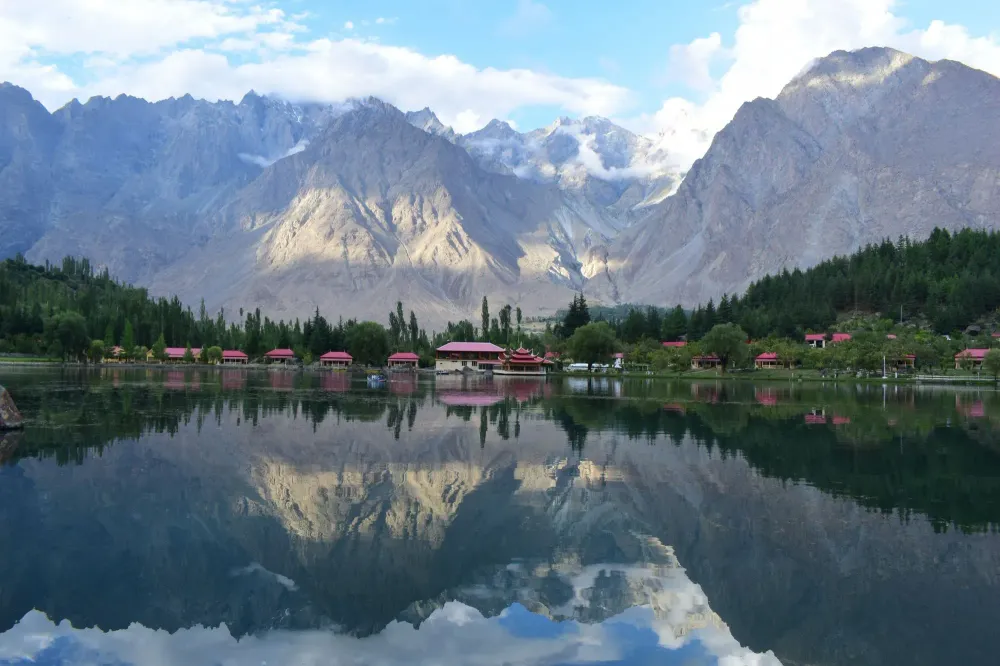
How long: 3–5 days.
Best for: dramatic landscapes, lakes, high-altitude adventures, trekking and mountain photography.
3. Fairy Meadows
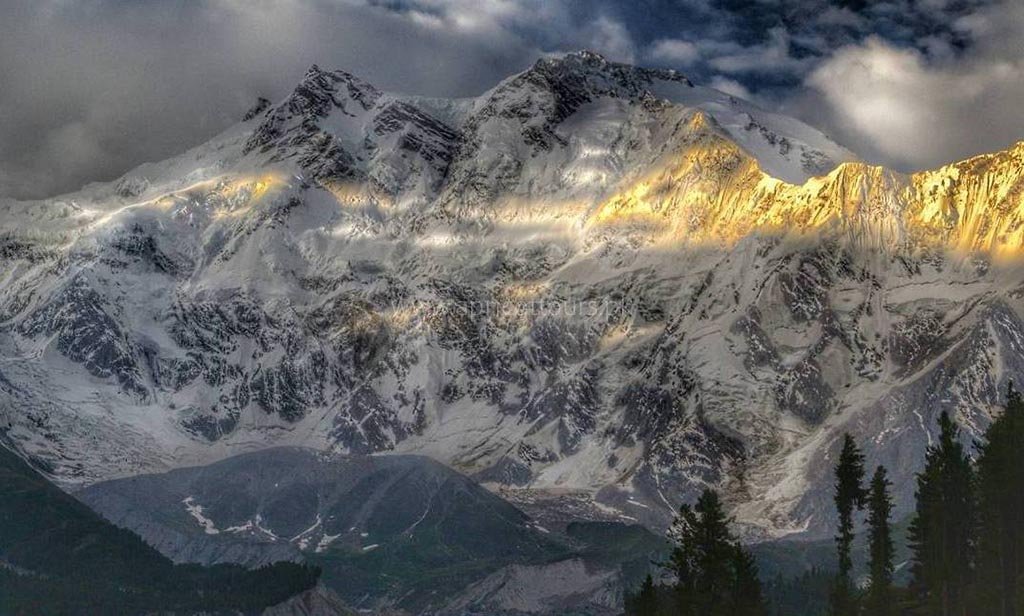
Fairy Meadows is one of the most famous mountain destinations in Pakistan, largely because of its spectacular views toward Nanga Parbat.
Getting there is part of the experience. The journey involves reaching the trailhead and continuing toward the meadow rather than simply driving directly to a hotel.
This is not the place to build a schedule around a tight return deadline. Weather, road conditions and trekking time can change the plan.
The reward is a peaceful alpine setting with enormous mountain views.
How long: 1–2 nights.
Best for: hiking, camping, photography and mountain scenery.
4. Naran and Kaghan Valley
Naran and the wider Kaghan Valley are among Pakistan’s most popular summer mountain destinations.
The region is known for forests, rivers, waterfalls and high-altitude lakes. Lake Saif-ul-Malook is the most famous attraction, while Babusar Pass is another major seasonal highlight.
The important word here is seasonal. Snowfall can affect access, particularly at higher elevations. Authorities in the Kaghan Valley have previously had to manage snow clearance and tourist movement during severe winter conditions. (Northern Pakistan Travel Guide)
How long: 2–4 days.
Best for: families, summer road trips, lakes and relatively accessible mountain tourism.
5. Swat Valley
Swat is an excellent choice if you want greenery, rivers, forests and mountain resorts without immediately heading into the more remote Karakoram.
Popular areas include Kalam, Bahrain and Malam Jabba.
Malam Jabba is particularly attractive during winter because of its skiing opportunities, while Kalam and surrounding areas become popular in warmer months.
Swat also works well for travelers who want a shorter mountain escape rather than a long expedition-style journey.
How long: 2–3 days.
Best for: families, greenery, hiking, winter activities and a shorter northern getaway. Northern Pakistan Travel Guide
6. Chitral and the Kalash Valleys
Chitral offers a different cultural experience from Hunza and Skardu.
The Kalash Valleys are especially distinctive, with communities known for their unique cultural traditions and festivals. Visitors should approach these communities respectfully rather than treating local people or ceremonies as tourist attractions.
Chitral also provides access to spectacular mountain landscapes and routes toward high-altitude areas such as Shandur.
How long: 3–5 days.
Best for: culture, history, festivals, mountain scenery and travelers looking for something beyond the standard Hunza–Skardu route.
When Is the Best Time to Visit Northern Pakistan?
There isn’t one perfect month for the entire north.
Spring: March to May
Spring can be particularly beautiful in lower and middle-altitude valleys. Hunza is famous for blossoms and fresh greenery.
However, higher mountain roads may still have snow, so don’t assume every destination is accessible simply because the weather is pleasant in Islamabad.
Summer: June to August
This is the main travel season for many northern destinations.
Higher valleys and mountain passes become more accessible, while places such as Naran, Hunza and Skardu see heavy tourist activity.
August can still be a good month for the north, although rain and changing road conditions can affect parts of a journey. Pakistan’s National Tourism Portal also highlights August as a strong tourism month for northern destinations while warning that occasional monsoon showers can affect travel. (Northern Pakistan Travel Guide: Where to Go, When to Visit and How to Plan Your Trip 10 Incredible Places to Explore)
Autumn: September to November
For photographers, autumn can be one of the best times to visit.
Hunza and other valleys can take on spectacular golden and orange colors as foliage changes. Crowds may also be lower than during peak summer.
Winter: December to February
Winter is for travelers who specifically want snow.
Some destinations become difficult or inaccessible because of snowfall, while others become excellent winter-sports destinations. Malam Jabba, for example, is particularly associated with winter tourism.
Always check current road conditions before setting out.
How Do You Travel Around Northern Pakistan?
There are three main approaches: fly, drive, or combine both.
Flying from Islamabad to Gilgit or Skardu can save substantial time when flights operate as scheduled. However, mountain weather can disrupt aviation, so don’t build an itinerary where a single delayed flight causes you to miss an international connection.
Driving gives you much more flexibility. The Karakoram Highway is itself part of the attraction, and road travel lets you stop at viewpoints and villages along the way.
For remote valleys and rough tracks, a local jeep and driver may be the sensible option.
The most useful rule is simple: plan by travel days, not just kilometres.
A journey that looks short on a map can consume most of a day because of road conditions, traffic, landslides, construction, photo stops or weather.
Should You Book a Tour or Travel Independently?
Northern Pakistan Travel Guide
Both options can work.
A tour is convenient if you don’t want to arrange vehicles, hotels and local transport yourself. It’s particularly useful for first-time visitors, families or travelers visiting remote areas.
Independent travel gives you more freedom. You can stay an extra night when you like a place instead of following a fixed timetable.
There is also a middle ground: arrange the major transportation and accommodation yourself, then hire local drivers or guides for specific areas.
This approach is worth considering because recent traveler discussions repeatedly mention the downside of overly rigid packages: visitors can end up spending too much time moving between attractions instead of experiencing the places themselves. (Northern Pakistan Travel Guide)
A Practical 10-Day Northern Pakistan Itinerary
If this is your first visit, don’t try to see every famous destination.
A more realistic plan is:
Day 1: Islamabad — arrival and preparation.
Day 2: Travel toward Gilgit/Hunza or fly to Gilgit, depending on your plan.
Day 3: Explore Karimabad, Baltit Fort and surrounding villages.
Day 4: Visit Altit Fort and nearby viewpoints.
Day 5: Travel toward Attabad Lake and Passu; stay in the Gojal area.
Day 6: Explore Passu and surrounding attractions.
Day 7: Begin the journey toward Skardu if your route and transport arrangements allow.
Day 8: Explore Skardu and nearby attractions.
Day 9: Visit Shigar or another nearby destination; use this as a flexible weather/road day.
Day 10: Return toward Islamabad or begin your onward journey.
For a 10-day trip, this itinerary is already fairly ambitious. If you want to add Fairy Meadows, Deosai, Astore or Naran, consider extending the trip rather than squeezing another destination into every available day.
What Food Should You Try?
Food is one of the easiest ways to make a northern trip more memorable.
In Hunza and surrounding areas, try chapshoro, a traditional meat-filled pastry. Local breads, soups, dried fruits, nuts and other regional foods are also worth sampling.
In Skardu and Baltistan, look for local dishes alongside familiar Pakistani foods. Trout is another popular choice in mountain regions where it is available.
Don’t be afraid of small local restaurants. They can offer some of the most memorable meals of a trip, although travelers should still use normal food and water precautions.
Where Should You Stay?
Major tourist centers offer everything from basic guesthouses to comfortable hotels and resorts.
For Hunza, staying around Karimabad makes it easier to explore the historic sites and surrounding villages.
In Skardu, staying in or near the main town gives you convenient access to restaurants and transport, while resorts around the lakes provide a more scenic experience.
For remote areas, accommodation may be much simpler.
During peak summer periods, booking ahead is sensible. The official Gilgit-Baltistan tourism portal also maintains tourism information and lists accommodation options across the region. (Visit Gilgit Baltistan)
What Should You Pack?
A Northern Pakistan packing list should be flexible because temperatures can change dramatically with altitude.
Bring:
- Comfortable walking or hiking shoes
- Warm layers, even during summer
- Waterproof outerwear
- Sunscreen and sunglasses
- Basic medication and a personal first-aid kit
- Power bank
- Reusable water bottle
- Small backpack for day trips
- Cash for places where card payments may not be available
- Copies of important travel documents
If you’re visiting high-altitude destinations, don’t underestimate the cold or the effects of altitude.
Northern Pakistan Travel Tips Most First-Time Visitors Need
Don’t overpack the itinerary. Two or three extra hours of driving can completely change your day.
Keep a buffer day. Mountain weather doesn’t care about your hotel checkout time.
Carry cash. Connectivity and payment facilities aren’t equally reliable everywhere.
Check road conditions locally. Information from a week-old itinerary may already be outdated.
Use local drivers for difficult roads. A driver who knows the terrain can be more valuable than saving money on transport.
Respect local communities. Ask before photographing people, dress appropriately and follow local customs.
Don’t litter. The region’s popularity puts pressure on fragile mountain environments. The Gilgit-Baltistan Tourism Department explicitly promotes sustainable tourism and conservation of natural and cultural heritage. (Visit Gilgit Baltistan)
Don’t assume mobile coverage everywhere. Download maps and keep important information available offline.
Avoid unnecessary night driving on unfamiliar mountain roads. Give yourself enough daylight for difficult sections.
For official local tourism information, the Government of Gilgit-Baltistan maintains district tourism offices in places including Gilgit, Skardu, Hunza, Astore, Ghizer and Ghanche. (Visit Gilgit Baltistan)
Common Mistakes to Avoid
The biggest mistake is trying to visit Hunza, Skardu, Fairy Meadows, Naran, Swat and Chitral in one short vacation.
They are not neighboring attractions in a theme park. They’re separated by real mountain roads and changing terrain.
Another mistake is choosing a destination purely because of Instagram photos. A spectacular viewpoint might require hours of driving and a difficult hike.
Finally, don’t judge a trip only by the number of attractions you visit. Some of the best moments in Northern Pakistan happen between the famous places: a roadside tea stop, a village conversation, a sudden mountain view or an unplanned walk.
Frequently Asked Questions
How many days are enough for Northern Pakistan?
For a focused first trip, 7 days can work for Hunza or another single region. Around 10–14 days is more comfortable if you want to combine major destinations such as Hunza and Skardu without spending the entire vacation in a vehicle. Recent itinerary research similarly places 10–12 days among the most practical windows for a broader first visit. (Seasonal Sights)
What is the best place to visit in Northern Pakistan?
For first-time travelers, Hunza is one of the easiest recommendations because it combines dramatic scenery, historic sites, villages, lakes and relatively convenient tourism infrastructure. Skardu is a stronger choice if your priority is high-altitude landscapes, lakes, trekking and access to the K2 region.
Is Northern Pakistan expensive to visit?
It can be either budget-friendly or expensive depending on your transportation and accommodation choices. Sharing vehicles with other travelers can reduce costs, while private drivers, resorts and customized tours increase the budget.
Is Northern Pakistan safe for tourists?
Conditions vary by destination and season. Travelers should monitor current local conditions, road closures and official guidance, particularly when visiting remote mountain areas. The Pakistan Tourism Development Corporation has advised tourists to take precautions in northern areas, including checking conditions and avoiding unnecessary travel during hazardous periods. (Associated Press of Pakistan)
Can I travel Northern Pakistan without a tour?
Yes, independent travel is possible, particularly in established tourist areas. However, remote valleys, difficult roads and trekking routes may be easier with local drivers or guides. Recent independent travelers have reported successfully organizing substantial trips themselves while also emphasizing the value of local contacts. (Northern Pakistan Travel Guide: Where to Go, When to Visit and How to Plan Your Trip 10 Incredible Places to Explore)
Is Hunza better than Skardu?
Neither is universally better. Choose Hunza for historic forts, villages, orchards, Passu and Attabad Lake. Choose Skardu for dramatic high-altitude landscapes, lakes, Deosai and access to major trekking and mountaineering areas.
What is the best month to visit Northern Pakistan?
For many travelers, June through October provides the broadest access to northern destinations, but the ideal month depends on where you’re going. Autumn is particularly attractive for foliage, while winter is better suited to travelers specifically seeking snow and winter activities.
Can I visit Hunza and Skardu in one trip?
Yes, but give yourself enough time. A rushed itinerary can turn the trip into a series of long drives. If you have only a week, focusing on one area is usually more enjoyable. With roughly 10–14 days, combining Hunza and Skardu becomes more practical.
Final Takeaway
A good Northern Pakistan trip isn’t about seeing the maximum number of locations. It’s about choosing the right region for the time you have.
For a first visit, Hunza is an excellent introduction, while Skardu rewards travelers who want bigger landscapes and more adventure. Fairy Meadows is ideal for Nanga Parbat views and hiking; Naran and Kaghan work well for a more accessible summer road trip; Swat offers forests and green valleys; and Chitral and the Kalash Valleys provide a deeper cultural experience.
Build your itinerary around travel time, weather and flexibility rather than a long checklist of attractions. Leave room for a slow morning, a mountain road that takes longer than expected, and the unexpected places you discover along the way.
That is often when Northern Pakistan becomes more than a sightseeing trip—and becomes a journey you’ll remember.
Northern Pakistan Travel Guide
Northern Pakistan Travel Guide
